Tuberculosis remains one of the most urgent global health challenges, particularly as antimicrobial resistance continues to rise. Traditional diagnostic approaches often struggle to deliver drug-resistance information fast enough to inform timely treatment decisions — creating a critical gap between diagnosis and effective care.
Recent advances in sequencing technology are beginning to close that gap.
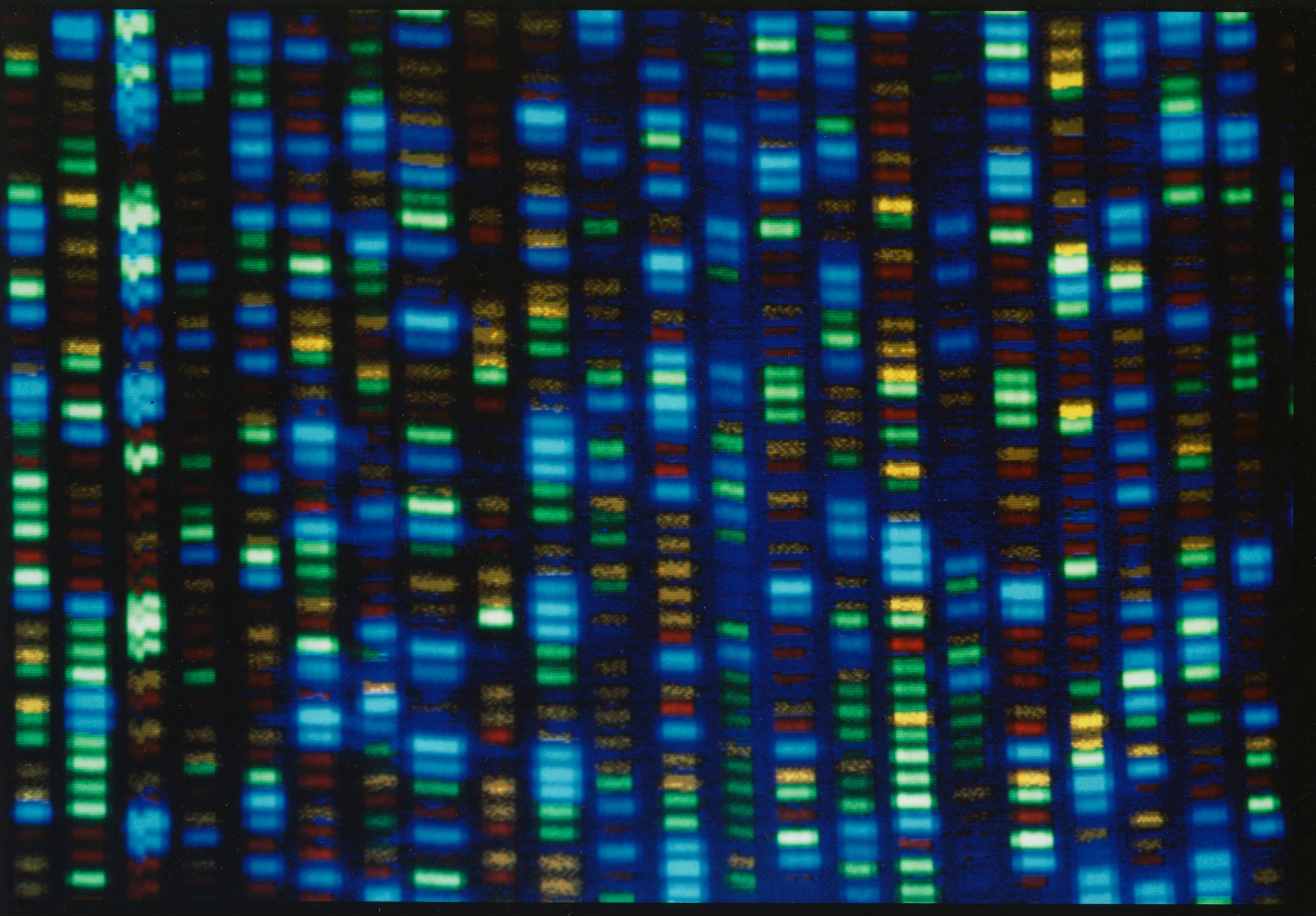
Industry collaborations such as AmPORE-TB, developed by Oxford Nanopore Technologies and bioMérieux, demonstrate how next-generation sequencing can be applied directly to infectious disease diagnostics. By targeting known tuberculosis resistance genes and delivering results within the same day, sequencing-based workflows offer a step-change in how drug-resistant TB can be identified and managed.
This shift is reinforced by World Health Organization guidance, which now recommends targeted DNA sequencing as a method for detecting TB antimicrobial resistance. The emphasis is clear: faster, more precise molecular diagnostics are essential to controlling the spread of multi-drug resistant strains.
What makes this evolution particularly significant is the convergence of multiple capabilities — long-read sequencing chemistry, streamlined benchtop systems, integrated analysis pipelines, and established global IVD distribution networks. Together, these elements make it possible to move sequencing out of specialist research environments and into routine diagnostic and public health workflows, including resource-limited settings.
From innovation to implementation
As sequencing-based TB diagnostics gain traction, the focus is shifting from feasibility to scalability and reliability. Clinical laboratories and public health programmes require solutions that are robust, interoperable, and aligned with regulatory and global health frameworks.
- This places growing importance on:
- Rapid, clinically validated sequencing platforms
- Integrated bioinformatics for resistance interpretation
- End-to-end diagnostic workflows suitable for frontline use
- Partnerships that can support deployment at regional and global scale
Why this matters to the diagnostics ecosystem
The modernisation of TB diagnostics is part of a broader trend: sequencing technologies are increasingly being embedded into routine infectious disease testing, not reserved for specialised reference labs.
For exhibitors delivering sequencing platforms, molecular assays, bioinformatics infrastructure, and global diagnostic partnerships, this represents a significant opportunity — and responsibility — to shape how precision diagnostics are deployed against infectious disease and antimicrobial resistance worldwide.
This theme sits squarely within Hall 1: Precision & Molecular Diagnostics at Med4Nexus UK 2026, where the focus is on technologies that translate molecular innovation into real-world clinical impact.

related posts

Diagnostics are the unsung heroes of healthcare. In fact, in vitro diagnostics (IVDs) influence up to 70% of clinical decisions while consuming less than 2% of healthcare. A wave of [...]

THE NHS App has crossed a major threshold, signalling a shift in how patients across England are accessing care. According to NHS England’s latest year-end update, the NHS App now [...]

Artificial intelligence is increasingly being embedded into the operational fabric of the NHS, not as a standalone innovation, but as part of core digital infrastructure designed to improve productivity, efficiency [...]